


How Homeowners Can Help Britain's Hedgehogs with Hedgehog Highways
Hedgehogs are one of Britain's most loved garden visitors, yet their numbers have declined significantly over recent decades. As gardens become more enclosed and natural habitats disappear, hedgehogs are finding it increasingly difficult to travel safely between feeding and nesting areas.
The good news is that homeowners can make a real difference. From creating a hedgehog highway to making your garden more wildlife friendly, small changes can help support local hedgehog populations across Dorset and Somerset.

What Are Hedgehog Highways?
A hedgehog highway is a small gap that allows hedgehogs to move freely between gardens and outdoor spaces. Hedgehogs typically travel over a mile each night searching for food, water and potential mates, so being able to access multiple gardens is essential for their survival.
Many modern fences and walls create barriers that prevent hedgehogs from following their natural routes. A hedgehog highway removes this obstacle by providing a small opening at ground level, usually around 13cm x 13cm, allowing hedgehogs to pass through safely while keeping gardens secure.
What Does a Hedgehog Highway Look Like?
A hedgehog highway can be as simple as a small gap beneath a fence or a purpose made opening cut into a boundary. Some homeowners add decorative signs to identify the route, while others prefer a discreet opening that blends into the garden.
One of the benefits of ColourFence is that a dedicated Hedgehog Highway can be incorporated into the installation, allowing wildlife to move between gardens without compromising the appearance or security of your fencing.

What Has Happened to the UK Hedgehog Population?
Sadly, hedgehog numbers have fallen dramatically across the UK over recent decades.
According to the State of Britain's Hedgehogs report, rural hedgehog populations have declined by between 30% and 75% since 2000. Conservation organisations also estimate that fewer than one million hedgehogs now remain in the UK, compared to around 30 million in the 1950s.
The situation is so concerning that hedgehogs are now considered vulnerable to extinction in Britain, with fewer than 900,000 hedgehogs estimated to remain in the UK, compared to an estimated 30 million in the 1950s.
Habitat loss, increasing urban development, busy roads, intensive farming and enclosed garden boundaries have all contributed to the decline. As gardens become more disconnected, hedgehogs often struggle to reach important feeding, nesting and breeding areas.
While conservation organisations continue to monitor populations, homeowners have a unique opportunity to make a difference. Even small changes, such as creating a hedgehog highway, can help reconnect habitats and support local wildlife.
Do Hedgehogs Use the Same Route Every Night?
Hedgehogs are creatures of habit and often follow familiar routes when travelling between feeding and nesting areas. If a traditional route becomes blocked by fencing or walls, they may struggle to access important resources, which is why connected gardens can play such an important role in supporting local populations.
This is one of the reasons hedgehog highways are so important. A small opening between gardens can help maintain natural routes and allow hedgehogs to continue accessing food, water and shelter across a much wider area.

How Homeowners Can Help Hedgehogs in Their Gardens
Creating a hedgehog highway is one of the most effective things you can do, but there are several other ways to make your garden more welcoming.
Leave Areas for Shelter
Hedgehogs need safe places to rest during the day and hibernate during winter. Log piles, leaf piles and undisturbed corners can provide valuable shelter.
Rather than keeping every part of the garden perfectly tidy, consider leaving a small area where wildlife can thrive naturally.
Garden Carefully
Many common gardening activities can unintentionally harm hedgehogs.
Before strimming long grass, moving compost heaps or lighting bonfires, check carefully for nesting wildlife. Hedgehogs often seek shelter in places that may appear unused.
Provide Food and Water
Fresh water is one of the simplest ways to support wildlife.
Specialist hedgehog food is widely available, while meaty cat or dog food can also be suitable. Avoid offering bread or milk, as these can be harmful to hedgehogs.
Think About Pets
If you have dogs or other pets, it is worth considering how wildlife uses your garden.
Most pets coexist peacefully with hedgehogs, but supervised introductions and designated wildlife areas can help reduce unnecessary disturbance, particularly during nesting and hibernation periods.
Reduce Barriers Between Gardens
Neighbouring gardens often provide valuable feeding and shelter opportunities. By creating connected spaces through hedgehog highways, homeowners can help establish wildlife corridors across Dorset and Somerset communities.
How to Add a Hedgehog Highway to Your Garden
Creating a hedgehog highway is one of the simplest and most effective ways to support local wildlife. The recommended opening is approximately 13cm x 13cm, which is large enough for hedgehogs to pass through while maintaining a secure garden boundary.
If you already have fencing in place, it may be possible to create a small access point at ground level.
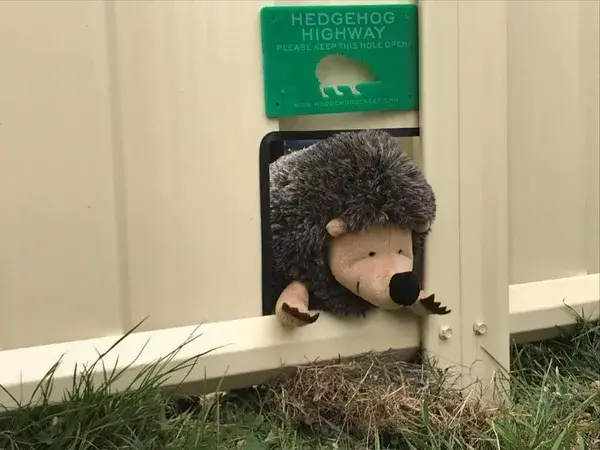
How to Make a Hedgehog Highway
To create a successful hedgehog highway:
Create a gap of around 13cm x 13cm in your boundary fence
Ensure the route is clear of obstacles
Encourage neighbouring gardens to connect their boundaries where possible
Provide food, water and shelter nearby
Avoid blocking existing wildlife routes
When multiple gardens are connected, hedgehogs can travel more easily between feeding, nesting and breeding areas, helping to support local populations.
If you're planning a new fence installation with Fit Forget Fencing, it's worth considering a wildlife friendly solution from the outset.
Why Choose ColourFence?
If you're investing in a new fence, ColourFence allows you to combine durability, security and wildlife friendly design in one solution.
A dedicated ColourFence Hedgehog Highway which can be incorporated during installation, creating a safe route for hedgehogs without affecting the appearance, privacy or strength of your fence. Unlike traditional timber fencing, ColourFence also offers a low maintenance free forever fencing that won't rot, warp or require regular painting.
For homeowners across Dorset and Somerset, it's a simple way to support local wildlife while enjoying the long term benefits of a professionally installed fencing system.
Fit Forget Fencing can advise on the best location for a Hedgehog Highway and add it into your new ColourFence installation, helping you create a secure garden that remains accessible to Britain's much loved hedgehogs.
FAQs
What are hedgehog highways UK?
Hedgehog highways are small openings in fences or boundaries that allow hedgehogs to move freely between gardens while maintaining secure property boundaries.
How can I attract hedgehogs to my garden?
Provide fresh water, suitable food, shelter such as log piles, and safe access through a hedgehog highway to encourage regular visits.
Do hedgehogs live in gardens all year round?
Hedgehogs often use gardens throughout the year for feeding, nesting and hibernation, provided they have access to food, shelter and safe routes.
Can ColourFence include a hedgehog highway?
Yes, ColourFence can incorporate a dedicated Hedgehog Highway feature, helping hedgehogs move between gardens without affecting fence security or appearance.
Can Fit Forget Fencing add a hedgehog highway to my new fence?
Yes, Fit Forget Fencing can advise on incorporating a Hedgehog Highway into your new ColourFence installation across Dorset and Somerset.